EGGPLANT LASAGNA
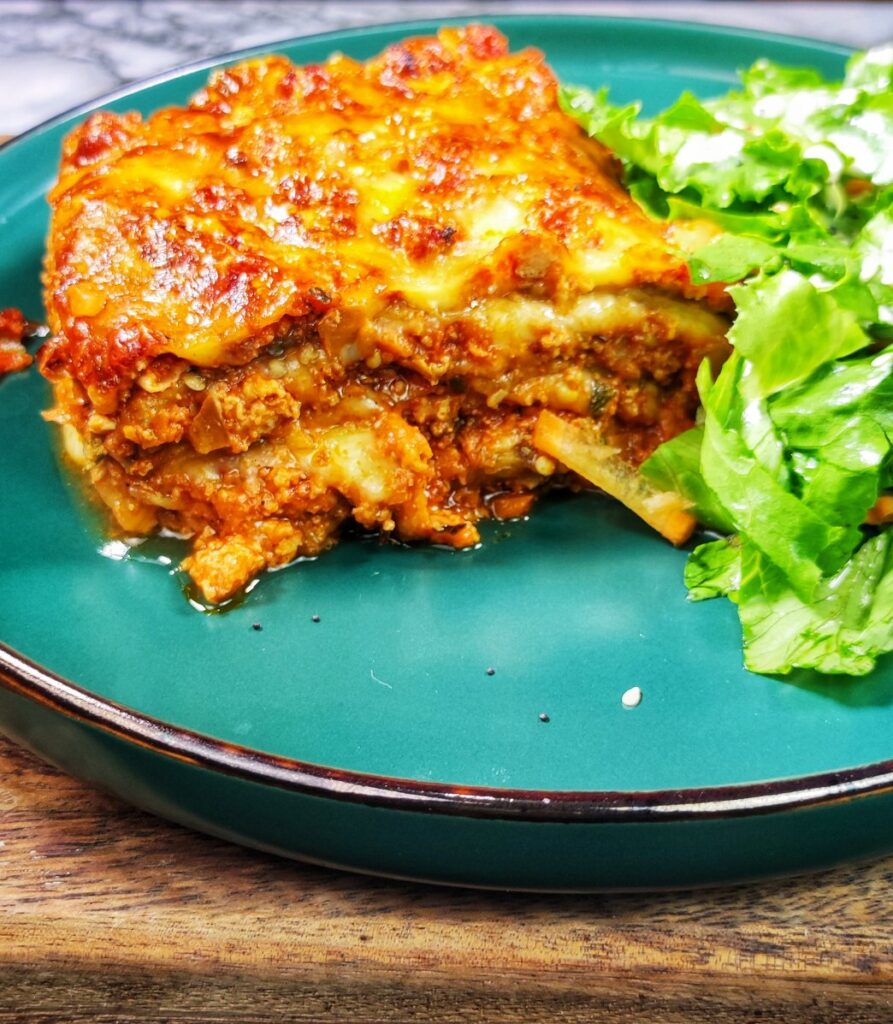
In my opinion, restricted eating or dieting doesn’t have to be boring. In fact, it can be an opportunity to explore vibrant flavors and nutritious ingredients that make every meal a delight. One of my favorite dishes that exemplifies this is my Eggplant Lasagna. This recipe has quickly become a staple in my kitchen, not just because it’s delicious, but also because it offers a nutritious spin on a classic favorite.
This lasagna swaps out traditional pasta for hearty slices of eggplant, making it a fantastic low-carb option that’s packed with vitamins, minerals, and antioxidants. It’s a great way to boost your vegetable intake while enjoying a filling meal that won’t weigh you down. The combination of lean protein, healthy fats, and fiber makes it a well-rounded dish that supports heart health and helps regulate blood sugar levels.
I love to serve my Eggplant Lasagna alongside a light green salad drizzled with a simple vinaigrette, creating a satisfying and wholesome dining experience. It’s a dish I look forward to, knowing that I’m nourishing my body without sacrificing flavor. Join me in discovering how enjoyable and fulfilling healthy eating can be with this scrumptious Eggplant Lasagna recipe!
Ingredient Details
- Eggplants (2 small to medium)
- Role: The main vegetable component, providing a hearty texture.
- Tips: Look for firm, glossy skin without blemishes. You can use globe or Japanese eggplants. Salting them before cooking helps reduce bitterness and moisture.
- Parmesan Cheese (2 cups shredded)
- Role: Adds a rich, salty flavor and enhances the overall taste of the dish.
- Tips: Freshly grated Parmesan will have a better flavor than pre-shredded. You can use a microplane to grate it finely.
- Mozzarella Cheese (2 cups shredded)
- Role: Provides a gooey, melty texture that binds the layers together.
- Tips: Opt for fresh mozzarella for a creamier texture, or use low-moisture mozzarella for a firmer melt.
- Mild Cheddar Cheese (1 cup shredded)
- Role: Contributes a mild, creamy flavor and a nice color to the top layer.
- Tips: Sharp cheddar can be used for a stronger flavor. Consider mixing different cheese types for complexity.
- Tomato Paste (1 bottle, 240 ml)
- Role: Forms the base of the meat sauce, providing depth and richness.
- Tips: Use a high-quality tomato paste for the best flavor. You can mix in some canned diced tomatoes for added texture.
- Minced Chicken (1 lb)
- Role: The primary protein source, adding heartiness to the dish.
- Tips: Ground turkey or beef can be used as alternatives. Look for lean minced meats to keep the dish lighter.
- Carrot (1 small, minced)
- Role: Adds sweetness and a touch of color to the sauce.
- Tips: You can also use bell peppers for a different flavor. Mince finely so it cooks quickly and blends into the sauce.
- Celery (1 bunch, chopped)
- Role: Contributes a subtle flavor and crunch to the sauce.
- Tips: Use the inner stalks for a milder flavor. If you’re not a fan, you can leave it out or substitute with zucchini.
- Onion (1 medium, diced)
- Role: Provides a foundational flavor for the sauce when sautéed.
- Tips: Yellow onions are versatile, but you can use sweet onions for a milder taste or red onions for a bit of color.
- Garlic (2 tsp minced)
- Role: Adds aromatic flavor to the dish.
- Tips: Fresh garlic is best, but garlic powder can be used in a pinch (use about 1/2 tsp).
- Water (¼ cup)
- Role: Helps to thin the tomato paste and create a sauce consistency.
- Tips: You can use chicken or vegetable broth for added flavor instead of plain water.
- Olive Oil (2 tbsp)
- Role: Used for sautéing the vegetables and chicken, adding richness.
- Tips: Extra virgin olive oil offers the best flavor. You can also use other oils like avocado oil if preferred.
- Basil (2 tsp, dried or fresh)
- Role: Provides an aromatic, slightly sweet flavor.
- Tips: Fresh basil can be used for a brighter flavor. If using fresh, add it towards the end of cooking to retain its taste.
- Salt (2 tsp)
- Role: Enhances all the flavors in the dish.
- Tips: Adjust to taste, especially if using salted cheeses or broth.
- Sugar (1½ tsp)
- Role: Balances the acidity of the tomato paste.
- Tips: Adjust according to the sweetness of the tomatoes used. Honey or maple syrup can be alternatives.
- Smoked Paprika (1 tsp)
- Role: Adds a smoky flavor and depth to the sauce.
- Tips: Regular paprika can be used if you don’t have smoked. Adjust the amount to taste.
- Oregano (¼ tsp)
- Role: Contributes a warm, earthy flavor.
- Tips: Fresh oregano can be substituted (use about 1 tsp).
- Black Pepper (¼ tsp)
- Role: Adds a mild heat and depth.
- Tips: Freshly ground black pepper is more flavorful than pre-ground.
- Cayenne Pepper (¼ tsp)
- Role: Provides a bit of heat to the dish.
- Tips: Adjust according to your spice tolerance. You can omit it for a milder dish.
- Red Pepper Flakes (Pinch)
- Role: Adds a touch of heat and flavor.
- Tips: Use more if you enjoy spiciness; you can also add it at the table for individual spice control.
Ingredient Alternatives
- Eggplants
- Alternatives: Zucchini, yellow squash, or portobello mushrooms (sliced) can be used for a lower-carb version.
- Parmesan Cheese
- Alternatives: Pecorino Romano, nutritional yeast (for a dairy-free option), or a vegan Parmesan substitute.
- Mozzarella Cheese
- Alternatives: Provolone, fontina, or a dairy-free mozzarella if you're avoiding dairy.
- Mild Cheddar Cheese
- Alternatives: Monterey Jack, Gouda, or a dairy-free cheddar substitute.
- Tomato Paste
- Alternatives: Tomato sauce, crushed tomatoes, or homemade tomato puree (reduce liquid if using).
- Minced Chicken
- Alternatives: Ground turkey, ground beef, ground pork, or plant-based ground meat (like lentils or textured vegetable protein).
- Carrot
- Alternatives: Finely diced bell peppers, parsnips, or sweet potatoes (cooked and mashed).
- Celery
- Alternatives: Chopped bell peppers, zucchini, or green beans for added crunch.
- Onion
- Alternatives: Shallots, leeks, or green onions (scallions) for a milder flavor.
- Garlic
- Alternatives: Garlic powder (1/8 tsp per clove), shallots, or garlic-infused oil for a milder taste.
- Water
- Alternatives: Vegetable broth or chicken broth for added flavor.
- Olive Oil
- Alternatives: Avocado oil, grapeseed oil, or melted butter.
- Basil
- Alternatives: Oregano, thyme, or Italian seasoning (use in moderation as it can be stronger).
- Salt
- Alternatives: Low-sodium soy sauce (for an umami kick), sea salt, or tamari for a gluten-free option.
- Sugar
- Alternatives: Honey, maple syrup, agave nectar, or coconut sugar. You can also omit it if you prefer no sweeteners.
- Smoked Paprika
- Alternatives: Regular paprika (add a bit of liquid smoke for smokiness) or cayenne pepper for heat.
- Oregano
- Alternatives: Italian seasoning, marjoram, or thyme.
- Black Pepper
- Alternatives: White pepper (for a different flavor profile), or omit if preferred.
- Cayenne Pepper
- Alternatives: Red pepper flakes, sriracha, or hot sauce for different levels of heat.
- Red Pepper Flakes
- Alternatives: Fresh chopped chili peppers, jalapeños, or a pinch of hot sauce.
These alternatives can help you customize your eggplant lasagna according to dietary preferences, availability, or personal taste. Don’t hesitate to mix and match based on what you have on hand.
My Eggplant Lasagna, a delightful twist on a classic dish. Tender, melty layers of baked eggplant take the place of traditional noodles with savory layers of seasoned minced chicken, tangy tomato sauce, and gooey cheese layered between. Each bite offers a delightful combination of textures—soft, flavorful eggplant mingling with oozy cheese and hearty sauce. Topped with a golden, bubbly crust, this lasagna pie is both satisfying and nutritious, proving that healthy eating can be irresistibly delicious. Enjoy it warm, and savor every mouthwatering layer.
- 2 - small to medium eggplants
- 2 - cups shredded Parmesan cheese
- 2 - cups shredded mozzarella cheese
- 1 - cup shredded mild cheddar cheese
- 1 250 ml -tomato paste
- 1 - lb minced chicken
- 1 - small carrot, minced
- 1 - bunch celery stalks, chopped
- 1 - medium onion, diced
- 2 - tsp minced garlic
- - ¼ cup water
- 2 - tbsp olive oil
- 2 - tsp basil (dried or fresh)
- 2 - tsp salt
- 1 ½ - tsp sugar
- 1 - tsp smoked paprika
- - ¼ tsp oregano
- - ¼ tsp black pepper
- - ¼ tsp cayenne pepper
- - Pinch of red pepper flakes
- 1 In a saucepan over medium heat, add the olive oil. Once hot, sauté the onions and garlic for 30-40 seconds until fragrant. Then, add the minced carrot and sauté for an additional 2 minutes.
- 2
Add the minced chicken to the saucepan and mix well. Cook for 6-7 minutes until the chicken is fully cooked. Then, incorporate the chopped celery, tomato paste, and season with basil, oregano, smoked paprika, black pepper, cayenne pepper, salt, sugar, and red pepper flakes. Mix well.- 3
Add water to the tomato paste jar, shake it to remove any remaining paste, and pour it into the saucepan. Stir well and allow to cook for another 5 minutes before turning off the heat.- 4
Peel the eggplants and slice them into approximately ⅛-inch thick slices.- 5
In a large mixing bowl, add all yoour cheeses and mix well to blend evenly.- 6
Begin layering in a greased baking dish by adding some of the meat sauce to the base. Place the first layer of eggplant slices, followed by a light layer of cheese, some meat sauce, and another light layer of cheese. Repeat this process for a second layer.- 7
For the third layer, add a final layer of eggplant, a light layer of meat sauce, and cover generously with the remaining cheese.- 8
Place the dish in the oven and bake on the middle rack for 20 minutes. Then, switch to broil for an additional 5-6 minutes or until the cheese is golden brown.- 9
Remove the lasagna from the oven and allow it to rest for 15-20 minutes before serving.Note- Eggplant Preparation:
Although I don't do this step some people choose to salt their eggplant slices to draw out moisture and bitterness. If you prefer a milder flavor, be sure to rinse and pat the slices dry after salting. - Cheese Choices:
- Feel free to mix and match cheeses according to your preference. For example, ricotta or goat cheese can add creaminess.
- If you want a sharper flavor, consider using aged Parmesan or a sharper cheddar.
- Meat Alternatives:
- Ground turkey, beef, or even plant-based ground meat can be used in place of minced chicken. Adjust seasoning as necessary based on the meat's flavor profile.
- For a vegetarian version, substitute the meat with sautéed mushrooms or a mix of your favorite vegetables.
- Layering Tips:
- Ensure even layering. Aim for equal distribution of meat sauce and cheese.
- You can consider adding a layer of spinach or other greens for added nutrition and flavor.
- Cooking Time:
- Baking times may vary based on your oven and the dish used. Keep an eye on the cheese while broiling to prevent burning.
- If the cheese is browning too quickly, cover the dish with foil during the baking process and remove it for the last few minutes of broiling.
- Serving Suggestions:
- Letting the lasagna rest for 15-20 minutes allows for easier slicing and serving. It also enhances the flavors as they meld together.
- Serve with a side salad or garlic bread for a complete meal.
- Storage:
- Leftovers can be stored in an airtight container in the refrigerator for up to 3-4 days. Reheat in the oven or microwave until heated through.
- This dish can also be frozen. Wrap individual portions tightly to prevent freezer burn, and reheat in the oven for best results.
- Flavor Adjustments:
- Adjust the spice levels to your preference. If you love heat, add more cayenne or red pepper flakes.
- Fresh herbs can enhance the flavor; consider adding fresh basil or parsley when serving.
eggplant, eggplant lasagna, gluten free lasagna, eggplant pie, cheesy eggplant, eggplant chicken casserole, eggplant chicken, eggplant bake, baked eggplant, cheesy eggplant, - 2