Almond Condensed Milk (Dairy-Free)
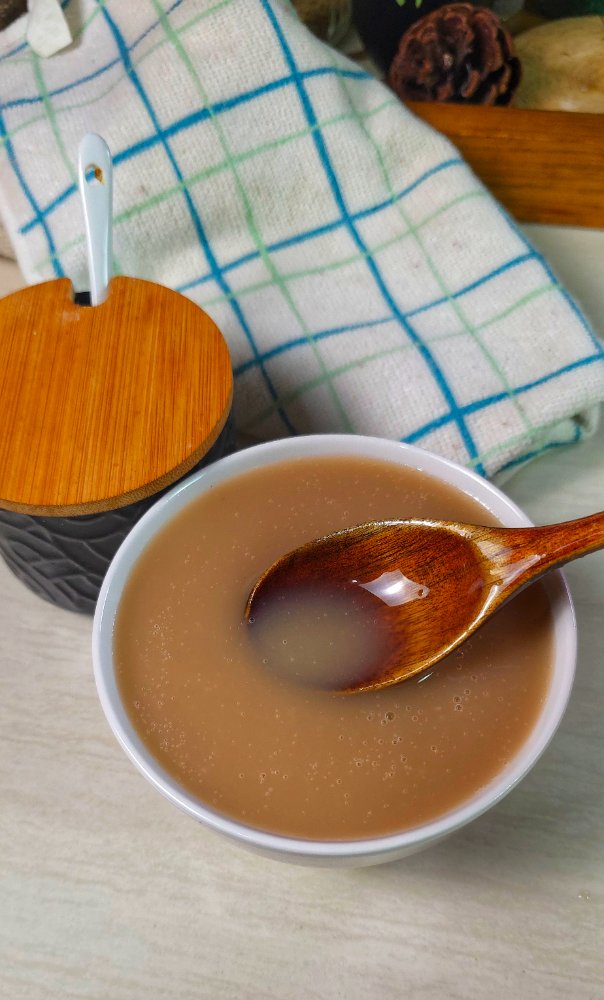

Almond Condensed Milk is one of those quiet kitchen staples that opens up a lot of options if you avoid dairy or just want a lighter alternative to the canned version. It is not a complicated recipe. Almond milk, sugar, a little cornstarch, vanilla, and salt go into a saucepan, and time does the rest. The mixture reduces slowly until it turns thick, glossy, and sweet, with a consistency that coats the back of a spoon and pours slowly rather than drips.
The key here is patience. Almond milk has far less fat and protein than dairy milk, so it does not thicken the same way on its own. The cornstarch helps bridge that gap, giving the finished condensed milk a little body without turning it into a pudding. The sugar does most of the work though. As the water evaporates, the sugar concentration rises, and that is what gives the final product its syrupy texture and long shelf life in the fridge.
Vanilla and salt are small additions but they matter. The salt keeps the sweetness from tasting flat, and the vanilla adds a soft aromatic note that makes the condensed milk taste more like the real thing. Adding the vanilla at the end rather than the beginning preserves its flavor, since a long simmer can cook off the delicate notes.
This Almond Condensed Milk works anywhere you would use the canned version. Sweeten coffee or tea, drizzle over pancakes or ice cream, use it in fudge, blend it into smoothies, or swap it into any recipe that calls for sweetened condensed milk. It will not caramelize or set exactly the same way as dairy-based condensed milk in every application, but for most everyday uses it performs beautifully.
One thing to keep in mind is that homemade condensed milk without preservatives has a shorter fridge life than the canned stuff. Plan to use it within a week, and give it a quick whisk or shake if it separates in the fridge.
INGREDIENT DETAILS
Almond milk (3½ cups): The base of the recipe. Unsweetened almond milk works best so you control the sweetness. It reduces down significantly during the simmer, concentrating its mild nutty flavor.
Granulated sugar (1¼ cups): Sweetens the condensed milk and helps it thicken as the water evaporates. The sugar also acts as a preservative, extending the fridge life.
Cornstarch (1 tsp): Gives the almond milk a little extra body since it lacks the fat and protein of dairy. It helps the finished condensed milk feel thicker and more syrupy.
Vanilla (½ tsp): Adds a warm, aromatic note that rounds out the sweetness. Added at the end of cooking so the flavor stays bright.
Salt (¼ tsp): Balances the sugar and keeps the final product from tasting one-dimensional.
INGREDIENT ALTERNATIVES
Main Recipe Ingredients: Almond milk, Granulated sugar, Cornstarch, Vanilla, Salt.
Almond milk: Oat milk, soy milk, or coconut milk can be used. Coconut milk gives a richer, creamier result but adds a coconut flavor.
Granulated sugar: Coconut sugar, cane sugar, or maple syrup can be used. Note that liquid sweeteners may require a slightly longer simmer.
Cornstarch: Arrowroot powder or tapioca starch work as direct swaps.
Vanilla: Vanilla extract, vanilla bean paste, or a scraped vanilla bean can be used.
Salt: Sea salt or kosher salt works. No substitute needed.
If you enjoyed this alternative recipe you may also enjoy my recipe for HOMEMADE COCONUT CONDENSED MILK

Almond Condensed Milk is a homemade dairy-free alternative to traditional sweetened condensed milk, made by reducing almond milk with sugar, a touch of cornstarch, and vanilla until thick and syrupy. Perfect for desserts, coffee, and baking.
- 3 ½ cups unsweetened almond milk
- 1 ¼ cups granulated sugar
- 1 tsp cornstarch
- ½ tsp vanilla
- ¼ tsp salt
- 1 Add the almond milk, sugar, cornstarch, and salt to a medium saucepan over low heat.
- 2
Whisk well until the sugar has fully dissolved and no cornstarch lumps remain.- 3
Bring the mixture to a gentle simmer, then reduce the heat to the lowest setting.- 4
Simmer uncovered for 50 minutes to 1 hour, stirring occasionally to prevent scorching, until the mixture has reduced by roughly half and coats the back of a spoon.- 5
Remove from the heat and stir in the vanilla.- 6
Let the Almond Condensed Milk cool completely before pouring it into a sterilized jar.- 7
Seal the jar and store in the refrigerator.NoteStore Almond Condensed Milk in a sterilized airtight jar in the refrigerator for up to 1 week. Whisk or shake before each use, as it may separate slightly.
To sterilize a jar, wash it in hot soapy water, rinse well, and place it in a 250°F (120°C) oven for 10 minutes. Let it cool before pouring in the condensed milk.
For a thicker result, simmer a little longer. Keep in mind it will thicken further as it cools.
If the mixture looks grainy, whisk in a small splash of warm almond milk to smooth it out.
Use in coffee, tea, smoothies, fudge, ice cream, pancakes, or anywhere a recipe calls for sweetened condensed milk.
almond condensed milk, dairy-free condensed milk, homemade condensed milk, vegan condensed milk, almond milk recipe, sweetened condensed milk alternative, condensed milk substitute, how to make condensed milk, dairy-free dessert topping, almond milk dessert, sugar reduction recipe, homemade sweetener - 2