

I love me some fried bakes—so much so that while I’m preparing them, I’ll start eating them without any filling. I also enjoy experimenting with ways to increase the nutritional value of my favorite foods, especially the ones that tend to be on the lower end of the nutrition scale. That’s exactly how this recipe came about.
This spin on the classic Trinidadian fried bake adds a wholesome twist without sacrificing the familiar golden crisp and fluffy inside we all love. Made with a blend of all-purpose and whole wheat flour, chia seeds for added fiber and omega-3s, and just a touch of brown sugar for balance, this bake is both delicious and nourishing. Lightly kneaded and rested before frying to puffy perfection, it’s the perfect partner for savory fillings like buljol, cheese, or tomato choka. Same authentic flavor—now with a little extra goodness in every bite.
Ingredient Details:
- All-Purpose Flour:
- Function: Provides structure and texture to the dough.
- Substitutes: You can use bread flour for a chewier texture or cake flour for a more tender result.
- Whole Wheat Flour:
- Function: Adds fiber and nutrients, giving the dough a nuttier flavor and denser texture.
- Substitutes: You can replace it with more all-purpose flour, but this will reduce the health benefits and flavor.
- Chia Seeds:
- Function: Acts as a binding agent and adds omega-3 fatty acids, fiber, and protein. They can also help retain moisture.
- Note: If you want to enhance their binding properties, consider soaking them in water for about 10 minutes before adding them to the dry ingredients.
- Baking Powder:
- Function: A leavening agent that helps the dough rise and become airy.
- Tip: Make sure it’s fresh for optimal results; expired baking powder can lead to dense results.
- Brown Sugar:
- Function: Adds sweetness and moisture to the dough, along with a hint of molasses flavor.
- Substitutes: You can use granulated sugar or coconut sugar, but the flavor and color will vary slightly.
- Butter or Margarine:
- Function: Adds richness and flavor to the dough.
- Substitutes: Use coconut oil for a dairy-free option or vegetable shortening for a different texture.
- Salt:
- Function: Enhances flavor and can strengthen gluten structure in the dough.
- Tip: Adjust the amount if you are on a low-sodium diet.
- Water:
- Function: Hydrates the flour and activates the gluten, helping to form the dough.
- Tip: Use room temperature water for best results, as it helps the dough come together more easily.
- Oil (for frying):
- Function: Used for frying the dough, creating a crispy texture.
- Tip: Canola oil, vegetable oil, or peanut oil are good choices due to their high smoke points.
Ingredient Alternatives:
- All-Purpose Flour:
- Bread Flour: For a chewier texture.
- Cake Flour: For a softer, more tender dough.
- Gluten-Free All-Purpose Flour: If you need a gluten-free option (ensure it contains a binding agent like xanthan gum).
- Whole Wheat Flour:
- Oat Flour: For a nutty flavor and gluten-free option.
- Spelt Flour: Adds a slightly sweet flavor and is easier to digest than regular wheat.
- More All-Purpose Flour: If you prefer a lighter texture.
- Chia Seeds:
- Flaxseeds: Ground flaxseeds can also serve as a binding agent; use 1 tablespoon ground flaxseed mixed with 2.5 tablespoons water as a substitute.
- Psyllium Husk: Another binding agent that adds fiber.
- Sunflower Seeds: For added crunch and nutrition (not as a direct substitute for binding).
- Baking Powder:
- Baking Soda + Acid: Use 1/4 teaspoon baking soda plus 1/2 teaspoon vinegar or lemon juice as a substitute.
- Self-Rising Flour: If using self-rising flour, you can omit baking powder and salt.
- Brown Sugar:
- Granulated Sugar: For a less moist final product, but will alter the flavor slightly.
- Coconut Sugar: A less refined alternative with a similar flavor.
- Maple Syrup or Honey: For a liquid alternative (reduce water slightly).
- Butter or Margarine:
- Coconut Oil: For a dairy-free and vegan option, adds a slight coconut flavor.
- Vegetable Shortening: For a different texture and is also dairy-free.
- Applesauce: For a lower-fat alternative, though it will change the texture.
- Salt:
- Sea Salt or Himalayan Pink Salt: For a different flavor profile.
- Soy Sauce: If you want to add a savory flavor (adjust liquid accordingly).
- No Salt: Omit entirely if you’re watching your sodium intake, but it will affect flavor.
- Water:
- Milk or Plant-Based Milk: For added richness (adjust quantity if using a thicker milk).
- Broth: To add flavor (be cautious with salt content).
- Vegetable Juice: For a unique flavor twist.
- Oil (for frying):
- Olive Oil: For a different flavor, but be cautious of the smoke point.
- Coconut Oil: For a tropical flavor.
- Lard or Tallow: Traditional fats that can provide great flavor (not plant-based).
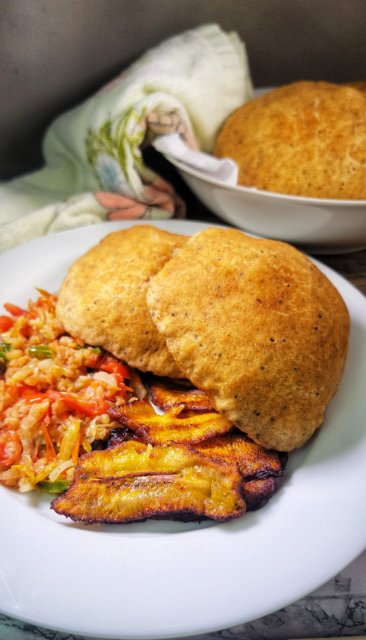
WHOLE WHEAT & CHIA FRIED BAKES
Description
Crisp on the outside with a warm, pillowy center, these fried bakes strike the perfect balance between hearty and light. The subtle nuttiness of whole wheat flour blends seamlessly with the mild crunch of chia seeds, adding layers of texture beneath that signature golden crust. A hint of brown sugar brings a gentle sweetness that enhances the rich, buttery notes in every bite. As they fry, the dough puffs into soft, airy pockets—ideal for soaking up savory fillings or melting cheese. Each mouthful is a comforting mix of crunch, chew, and flavor that makes this bake an irresistible staple, whether enjoyed solo or stuffed to the brim.
Ingredients
Instructions
-
In a large mixing bowl, add ap flour, whole wheat four, chia seeds, baking powder, salt, and brown sugar. Mix well.
-
Add butter or margarine and rub into the flour using your hands until properly incorporated.
-
Gradually add water slowly until the flour is binded but not very sticky. Knead for 2 minutes and then roll into a ball. Set aside in a bowl covered with a towel. Let the dough rest for 15-20 minutes.
-
Heat vegetable oil in a frying pan or skillet over high heat to a temp of 325°F -350°F
-
On a floured surface, divide the dough into 8-9 small balls and begin rolling each ball out into a circular shape.
-
Add dough to oil and slowly ladle oil unto bake (it will begin puffing up gradually) once it has fully puffed up or is golden on the edges flip and fry on the other side. Remove from heat and place in a bowl lined with greaseproof paper or paper towels to absorb excess oil.
-
Serve hot with cheese, buljol, smoked herring, tomato choka, or any desired filling.
Note
- Ingredient Temperature:
- Ensure that the butter or margarine is at room temperature to make it easier to incorporate into the flour. This helps create a smoother dough.
- Measuring Flour:
- For best results, spoon the flour into the measuring cup and level it off with a knife. This prevents packing, which can lead to using too much flour.
- Kneading:
- Knead the dough gently for about 2 minutes. Over-kneading can develop gluten too much, resulting in a tougher texture.
- Resting the Dough:
- Allowing the dough to rest for 15-20 minutes is crucial. This relaxes the gluten, making it easier to roll out and shape.
- Rolling Out the Dough:
- Dust your work surface and rolling pin with flour to prevent sticking. Roll the dough evenly to ensure even cooking.
- Frying Tips:
- Use a thermometer to monitor the oil temperature (325°F - 350°F) for consistent frying. If you don’t have a thermometer, test the oil by dropping in a small piece of dough; if it sizzles and rises to the top, it's ready.
- Do not overcrowd the pan while frying; this can lower the oil temperature and result in soggy dough.
- Puffing Up:
- As the dough puffs, ladle hot oil over the top to help it cook evenly. This technique is key to achieving that fluffy texture.
- Draining Excess Oil:
- After frying, place the cooked dough on paper towels or greaseproof paper to absorb excess oil. This will keep them crispy.
- Serving Suggestions:
- Serve the fried dough hot for the best texture and flavor. They can be enjoyed plain or with various fillings like cheese, spreads, or dips.
- Storage:
- Store any leftovers in an airtight container at room temperature for a day or refrigerated for up to 3 days. Reheat in an oven or skillet to restore crispness.
- Experimentation:
- Feel free to experiment with the dough by adding herbs, spices, or cheese to the mixture for added flavor.
