

Delicious Chataigne Curry! This dish brought to us from the breadnut, a seeded variety of breadfruit, is known as katahar and chataigne in Guyana and Trinidad and Tobago. This unique fruit grows on what is commonly called a milk tree and offers a delightful blend of flavors and textures. In this recipe, we celebrate the chataigne by pairing it with aromatic spices and creamy coconut milk to create a hearty vegetarian dish. Whether you’re familiar with this ingredient or trying it for the first time, this curry is sure to become a favorite in your kitchen as it is in mine. Let’s dive into this comforting and flavorful recipe.
INGREDIENT DETAILS
Ingredients Details:
- Chataigne (Breadnut):
- Description: A seeded variety of breadfruit, known as katahar in some regions. It has a starchy texture similar to potatoes and is often used in savory dishes.
- Nutritional Value: High in carbohydrates, fiber, and vitamins, particularly vitamin C and potassium. It is a good source of energy.
- Coconut Milk:
- Description: A creamy liquid made from the grated flesh of mature coconuts mixed with water. It adds richness and a subtle sweetness to dishes.
- Nutritional Value: Contains healthy fats, particularly medium-chain triglycerides (MCTs), and provides a good source of vitamins and minerals, including manganese and copper.
- Water:
- Description: Used to adjust the consistency of the curry. It helps in cooking the chataigne and blending the flavors.
- Nutritional Value: Essential for hydration and overall health; it helps with digestion and nutrient absorption.
- Onion:
- Description: A common aromatic vegetable that adds flavor and sweetness to dishes. When sautéed, it becomes translucent and enhances the overall taste.
- Nutritional Value: Low in calories and high in vitamins C and B6, as well as antioxidants, which may have health benefits.
- Garlic:
- Description: A flavorful bulb that adds depth and aroma. It can be crushed and minced to release its essential oils and enhance its flavor.
- Nutritional Value: Contains allicin, which may have various health benefits, including anti-inflammatory and immune-boosting properties.
- Curry Powder:
- Description: A blend of spices that typically includes turmeric, cumin, coriander, and other spices. It gives the dish its characteristic flavor and color.
- Nutritional Value: Depending on the specific blend, it can contain various health-promoting spices, such as turmeric, which has anti-inflammatory properties.
- Roasted Geera (Cumin):
- Description: Cumin seeds that have been roasted to enhance their flavor. It adds a warm, earthy taste to the dish.
- Nutritional Value: High in iron and antioxidants, cumin may aid digestion and has been linked to various health benefits.
- Anchar Masala:
- Description: A spice blend that can vary by region and recipe. It typically includes a mixture of spices such as coriander, cardamom, and cloves, adding complexity to the flavor.
- Nutritional Value: Similar to curry powder, it can contain various beneficial spices that offer antioxidant and anti-inflammatory properties.
- Oil:
- Description: Used for sautéing the onions and spices. Common oils for cooking include vegetable oil, coconut oil, or olive oil.
- Nutritional Value: Provides healthy fats that are essential for overall health, including heart health and nutrient absorption.
- Hot Pepper:
- Description: Adds heat and spiciness to the dish. The type of pepper can vary based on personal preference (e.g., jalapeño, Scotch bonnet).
- Nutritional Value: Rich in vitamins A and C, and capsaicin, which may help boost metabolism and provide pain relief.
- Salt:
- Description: Enhances the flavors of the dish. It’s important to use salt in moderation to maintain a balanced diet.
- Nutritional Value: Essential for maintaining fluid balance and nerve function, but excessive intake can lead to health issues.
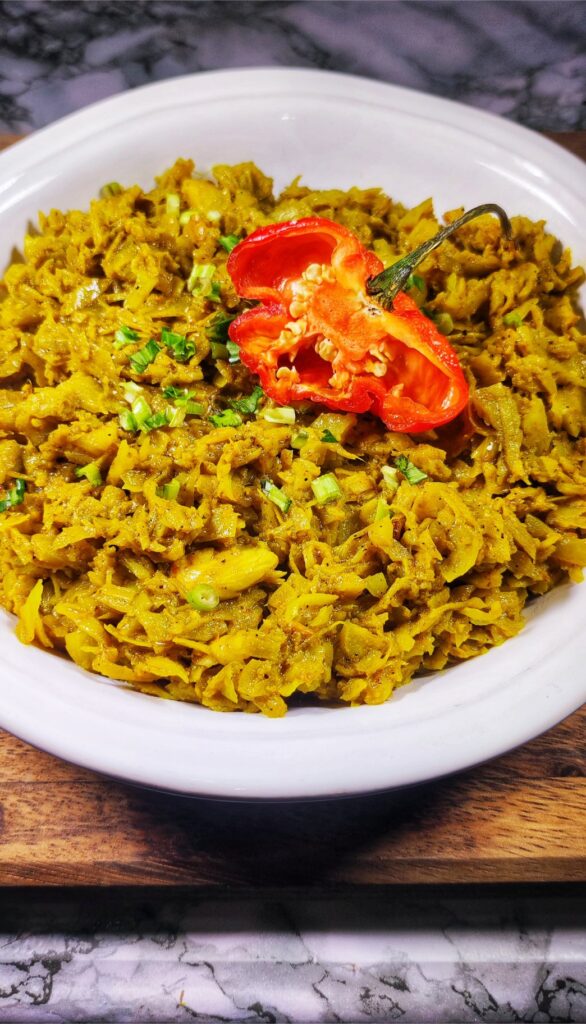
CURRY CHATAIGNE
Description
This Chataigne Curry is a flavorful and hearty dish that combines the unique taste of chataigne, a variety of breadfruit, with aromatic spices and creamy coconut milk. This goes perfect alongside rotis, curried meats, vegetables and talkaris.
Ingredients
Instructions
-
Wash the chataigne and set aside. Rub your hands, knives, and cutting board with oil to prevent stickiness from the sap.
-
Quarter the chataigne, remove the core, and use paper towels to soak up the sap. Peel the chataigne until all of the green outer layer is removed, then separate the flesh from the seeds (you can use the seeds if you prefer).
-
Place the flesh into a large bowl of water, wash it, then drain and rinse again. Process the batches of chataigne in a food processor until roughly chopped to a medium-fine consistency.
-
In a medium-large skillet or saucepan over medium-high heat, add the oil and allow it to heat slightly. Add the curry powder, roasted geera, and masala, mixing well.
-
Add the chopped onion, hot pepper, and minced garlic, and sauté for about 1 minute, or until the onion becomes translucent. Then, add the chataigne, mixing well before pouring in the coconut milk and water. Bring the mixture to a simmer, then lower the heat and cover with a lid.
-
Cook for 10-15 minutes or until the chataigne is soft and most of the liquid has cooked down to a slightly thickened consistency. Season with salt to taste, and remove from heat.
-
Serve hot, optionally garnished with fresh herbs or alongside rice or bread for a complete meal.
Note
- Choosing Chataigne: Look for small to medium-sized chataigne that are firm and free from blemishes. Fresh chataigne will have a sweeter, nuttier flavor.
- Handling Sap: The sap from chataigne can be sticky. Rubbing your hands and utensils with oil before handling can help manage this.
- Peeling: When peeling chataigne, make sure to remove all of the green outer layer. If you find it difficult to peel, you can lightly roast the chataigne in the oven at low heat for 10 minutes to soften the skin, making it easier to peel.
- Texture Preference: If you prefer a smoother curry, blend the chataigne into a finer consistency. For a chunkier texture, process it less.
- Spice Levels: Adjust the amount of hot pepper based on your heat tolerance. If you're unsure, start small and add more as needed.
- Coconut Milk: Full-fat coconut milk will yield a creamier and richer curry. If you prefer a lighter version, you can use light coconut milk or a mix of coconut milk and water.
- Cooking Time: Keep an eye on the curry while it simmers. The cooking time can vary based on the size of the chataigne pieces; they should be tender but not mushy.
- Serving Suggestions: This curry pairs well with jasmine rice, basmati rice, or flatbreads like naan or roti. Fresh herbs like cilantro or parsley can add a nice touch as a garnish.
- Leftovers: Store any leftovers in an airtight container in the fridge for up to 3 days. The flavors will deepen overnight, making it even tastier the next day.
- Vegan Option: This recipe is naturally vegan, but double-check any additional ingredients you choose to pair with it to ensure they align with your dietary preferences.
Feel free to customize the recipe to suit your taste! Enjoy your cooking experience.
